Posts about Hirimaradhoo
Stories and updates from this island in the Maldives
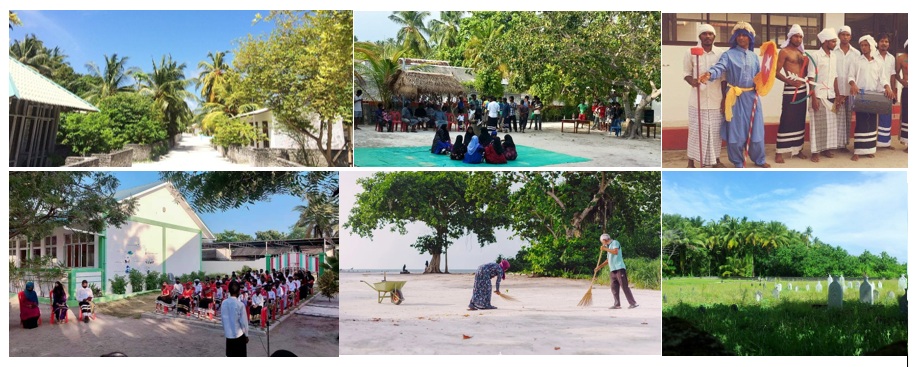
Hirimaradhoo: An Island being Evacuated
In the far north of the Maldives, Hirimaradhoo faces the planned relocation of its entire community—an act that marks not just administrative change, but the end of daily life on a lived island. While relocation to a larger island promises better services and opportunity, it also raises deeper questions about loss, identity, heritage, and what becomes of islands once their people are gone.
About Hirimaradhoo
Hirimaradhoo is a small island in the far north of the Maldives, with a long and traceable history of settlement. At its centre stands a mosque believed to be more than four centuries old. The structure is one of the island’s most significant historical markers, indicating continuous habitation and...