What Really Built the Maldives?
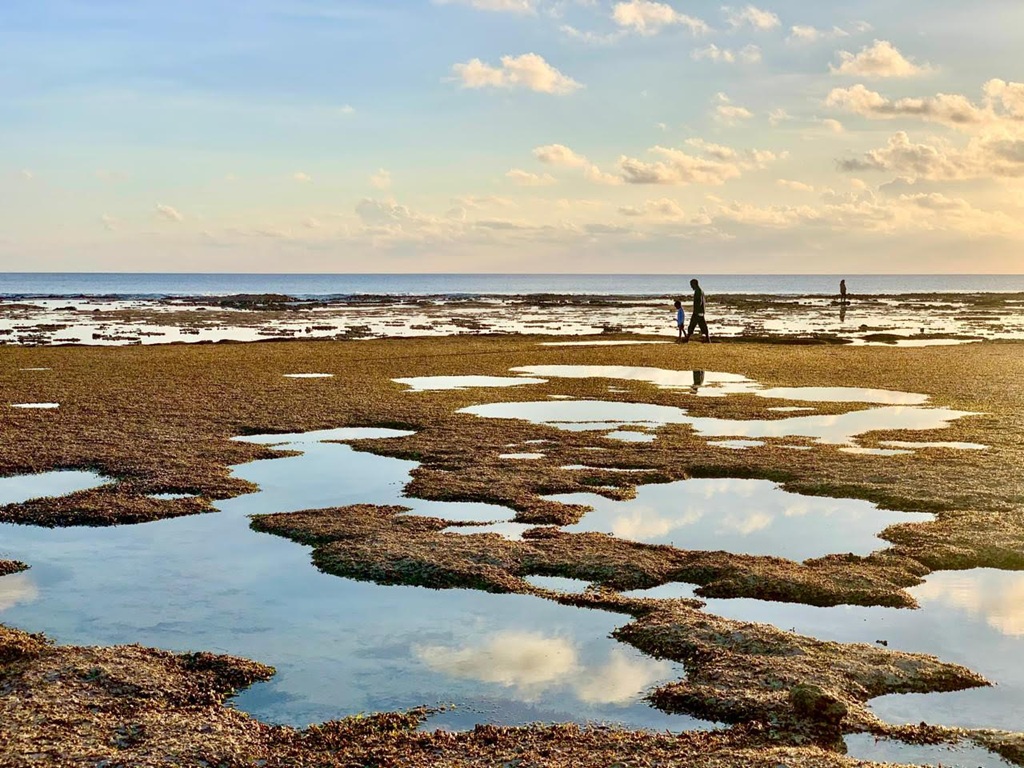
Imagine standing beside a turquoise Maldivian lagoon and realizing its story may be far older and far more surprising than we once believed. New geological research challenges long-held ideas about atoll formation, revealing a hidden history shaped by ancient reefs, ice ages, shifting seas, and rain itself over hundreds of thousands of years.
Now imagine that everything you've ever been taught about how that lagoon formed is wrong.
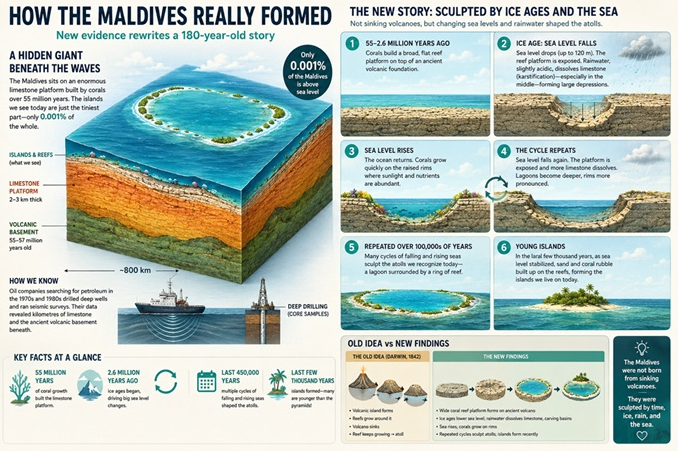
For nearly two centuries, schoolchildren around the world have learned a story first proposed by Charles Darwin in 1842. It seemed simple and elegant: coral reefs grew around volcanic islands, the volcanoes slowly sank beneath the ocean, and what remained were the ring-shaped atolls we see today.
The Maldives, according to this story, were the descendants of drowned volcanoes.
Beneath the islands lies a vast limestone platform stretching nearly 800 kilometers from north to south and up to three kilometers thick.
Think of it as a gigantic underwater mountain range built not by volcanoes, but by billions upon billions of tiny reef organisms over the last 55 million years.
The Maldives we know are merely the thin frosting on an enormous geological cake.
Corals quickly colonized the raised rims because those locations received the most sunlight and nutrients.
This cycle repeated over hundreds of thousands of years.
Each time, the lagoons became deeper. Each time, the rims became more pronounced. Each time, corals returned to build reefs around the edges.
Most people assume the islands are ancient.
In reality, many are surprisingly young.
Understanding how the Maldives formed may help us understand how the islands will respond to climate change.
The geological record shows that coral reefs can grow surprisingly quickly under the right conditions. It also shows that sea levels can sometimes rise much faster than most people imagine.
- Mohamed Didi, Aminath Shiyama, Fathimath Shafeeqa, and André Droxler. Atoll and Island Formation in the Maldives: Teacher's Guide. Maldives National University and National Institute of Education, 2025.
- Maldives Independent. "What lies beneath: New science rewrites the story of how the Maldives formed." Interview with André Droxler, 2025.
- Droxler, A.W. and Jorry, S.J. (2004). The Origin and Evolution of the Maldives Carbonate Platform. In: Seismic Atlas and Geological Evolution of the Maldives. American Association of Petroleum Geologists.
- Purdy, E.G. and Winterer, E.L. (2001). "Origin of Atoll Lagoons." Geological Society of America Bulletin.
- Kench, P.S., McLean, R.F., and Nichol, S.L. Various studies on coral island dynamics and shoreline change in the Maldives and Pacific Islands.
- Woodroffe, C.D. (2008). Reef-Island Topography and the Vulnerability of Atolls to Sea-Level Rise. Global and Planetary Change.
- Montaggioni, L.F. (2005). History of Indo-Pacific Coral Reef Systems Since the Last Glaciation. Earth-Science Reviews.
Recent Posts
ޖަމާޢަތުގެ އިޤްތިސާދީ ތަރައްޤީއަށް މަގުދައްކައިދޭ ފޮތުގެ ޑިޖ...
Jul 27, 2026 · 1 min read
Small Gardens. Stronger Islands..
Jul 27, 2026 · 3 min read
Malé at Breaking Point
Mar 7, 2026 · 5 min read
Midhili - The Tropical Almond Trees of Maldives
Feb 3, 2026 · 6 min read
Hirimaradhoo: An Island being Evacuated
Jan 1, 2026 · 5 min read
Related Posts
More stories you might enjoy

ޖަމާޢަތުގެ އިޤްތިސާދީ ތަރައްޤީއަށް މަގުދައްކައިދޭ ފޮތުގެ ޑިޖިޓަލް އެޑިޝަން އާންމުކޮށްފި
ޖަމާޢަތުގެ އިޤްތިސާދީ ތަރައްގީ މި ފޮތުގެ މަގްސަދަކީ ޖަމާޢަތުގެ އިގްތިސާދު ވަކި އަމާޒްތަކެއް އެކަށައެޅިގެން އެއަމާޒްތަކަ...

Small Gardens. Stronger Islands..
A small patch of land can hold big possibilities. As Dhidhdhoo begins creating a demonstration community garden alongsid...

Malé at Breaking Point
By concentrating opportunity on a sliver of land, the Maldives has turned its capital into both a magnet and a pressure...